Color, or the absence thereof, has a profound impact on photography. Today, color photography is ubiquitous, but for many years, black and white was the standard for serious photographic work.
Color theory is a broad and fascinating subject. Entire books have been devoted to it, and providing anything approaching an exhaustive explanation is well beyond the scope of this website.
Suffice it to say, color theory is an important subject that all photographers should invest time and thought into. I first began seriously considering color theory while studying graphic design. In graphic design, color is crucial and largely under the control of the designer. As a photographer, however, color may not always be entirely within your control, as you are often at the mercy of your surroundings. Despite this, or perhaps because of it, understanding color theory is essential to making the most of the colors present in a scene.
The following tools are designed to help photographers, designers, and other creative professionals explore common color schemes, visualize color relationships, and develop a deeper understanding of how colors interact.
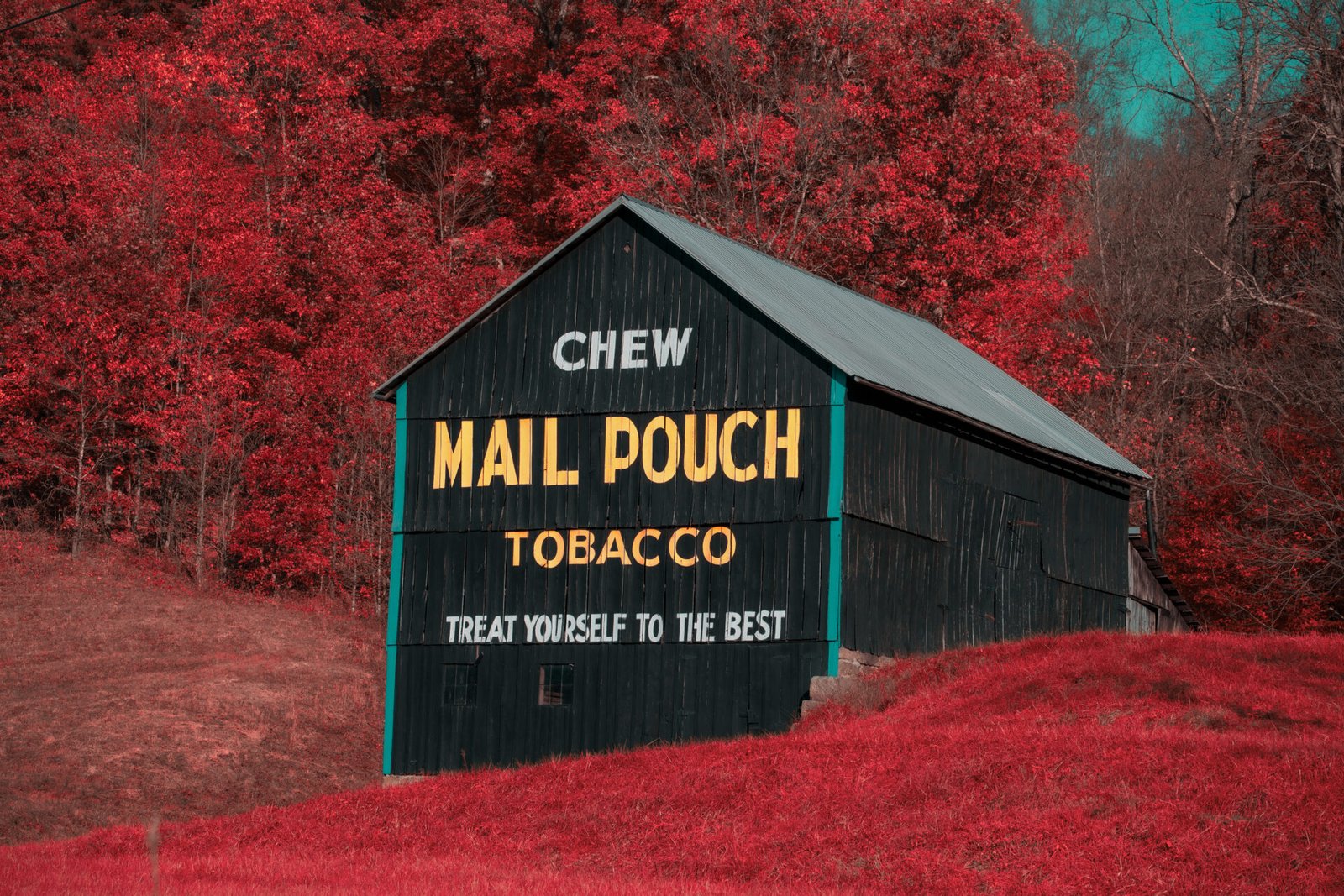
HSL 358°, 53%, 39%
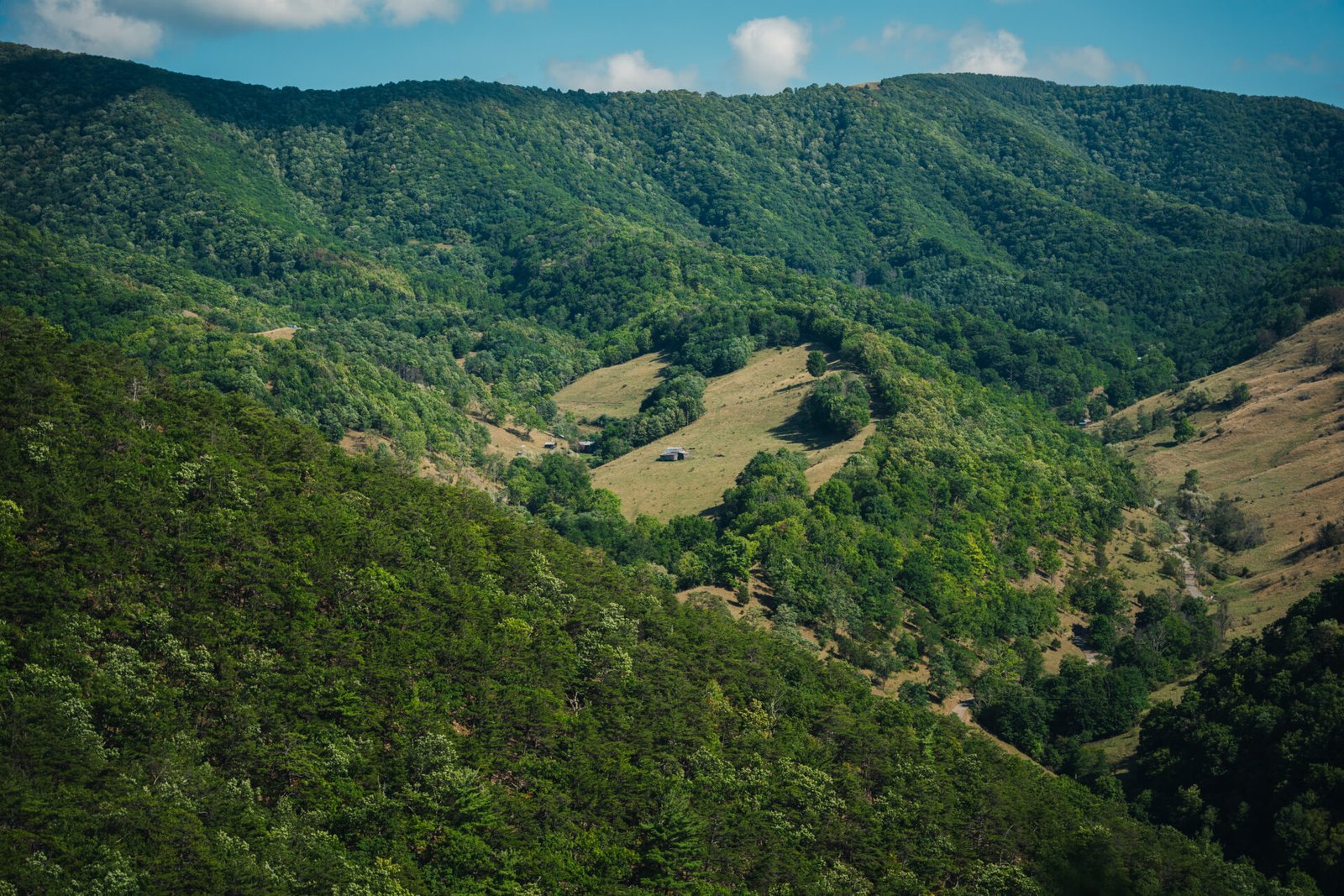
HSL 161°, 29%, 25%

HSL 197°, 23%, 70%
Loading color calculator…
Color Spotter
Pick the one square that differs from the rest. You get one guess per round, with no timer. Three misses end the run.
Use the arrow keys to move between squares and Enter or Space to choose.
Spot the difference
Choose the square that looks different.
Earn a reveal every 10 correct guesses. A reveal earns one point. Only correct guesses earn more reveals.
- Tint
- Color mixed with white.
- Tone
- Color mixed with gray.
- Shade
- Color mixed with black.
Tint, Tone & Shade
Choose a color or paste a hex code from Color Spotter or the Color Wheel Calculator. Move the slider to compare what happens when you mix the same amount of white, gray, or black into it.
Base color
Tint
Mix with white.
Tone
Mix with gray.
Shade
Mix with black.
At 0%, you see the base color. At 100%, you see the color you’re mixing in. For tones, the gray changes with the base color, just as it does in Color Spotter.